


Vision training for children and adults
Eugène Duvillard, an optometry researcher and vision training specialist, trained in the United States, where he acquired recognised expertise in visual and neuro-visual rehabilitation techniques. He has developed specific practices aimed at improving cognitive functions in children.
The profession of optometrist has been recognised in Switzerland as a health profession since the Health Act of 7 April 2006.
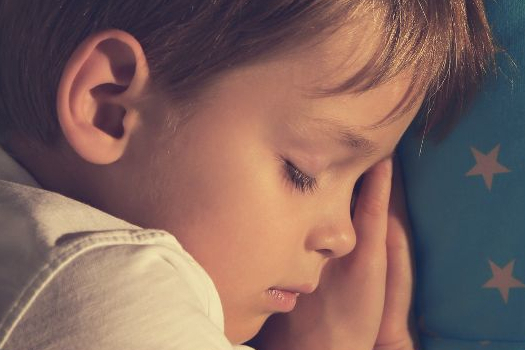
Improving sleep in children with GoodNight glasses
Recently, a mother came to the clinic with her 8-year-old daughter, concerned about persistent sleep problems: difficulty falling asleep, late bedtimes (around 10 p.m.) and frequent night-time awakenings. These difficulties were affecting the child's daily balance and well-being.

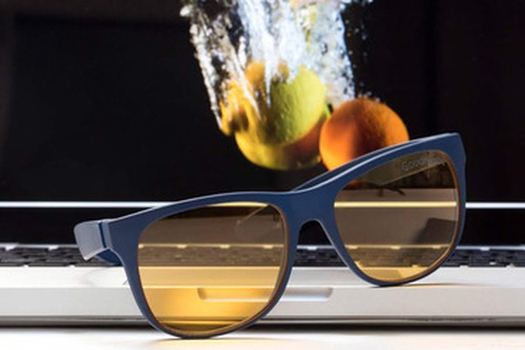
Official study on Goodnight glasses
Eugène Duvillard, inventor of Goodnight glasses, is proud to unveil the results of the official study on sleep disorders, conducted as part of the development of this innovative solution.

Glasses that help you sleep...
Click here to read the article
INNOVATIVE A Geneva-based specialist has developed glasses that make it easier to fall asleep and improve sleep.
Really effective?
Don't wear these glasses during the day, they could be dangerous... They could cause you to fall asleep’. This unusual advice comes from Alicia, a young law student in Geneva. She also swears that thanks to these same glasses fitted with tinted lenses, she no longer suffers from insomnia. " I sleep like a baby ! "
Two hours before bedtime
All very intriguing. All the more so given that sleep problems affect one person in two and that, in Switzerland as elsewhere, an astronomical number of sleeping pills are swallowed (4.5 million packets sold each year in our country).
So, Eugène Duvillard, an optometrist from Geneva, has just created a totally innovative product, he says:... sleeping glasses! Even if, at first glance, their lenses resemble the equally yellow ones that have been available from opticians for some time now, designed to filter the blue light emitted by screens of all kinds, which is presumed to be harmful to health. ‘GoodNight is different because it blocks out a longer spectrum of blue light, which disrupts the natural rhythm of melatonin production, the hormone that regulates our sleep cycle’, explains the specialist, who developed and patented this technology following lengthy studies and research in both Switzerland and the United States.
In practical terms, these glasses should be worn - alone or over prescription glasses - in the evening, two hours before going to bed.
But what do doctors think: ‘Yellow lenses can be beneficial for people who have difficulty falling asleep and who absolutely must use screens in the evening without an integrated filter. But they don't eliminate the excitement linked to the content being broadcast’, stresses Dr Raphaël Heinzer, head of the Centre for Sleep Investigation and Research
at the CHUV and author of a recent book, ‘Je rêve de dormir’, published by Editions Favre. Eugène Duvillard disagrees on one final point. ‘It's more the blue light that disturbs the quality of sleep and falling asleep than the images themselves’.
In other words, he believes that GoodNight - which is currently only available online, at a price of 89 fr. - are also beneficial off-screen, ‘because modern lighting, with LEDs,
emit the same disturbing waves as television or smartphones’.
Such yellow glasses are also recommended - including by doctors - for people who work nights and need to sleep in the morning. Or to counter the effects of jet-lag.
Article from "Le Matin"
